There exist many words that mean something—and today they simply are.
It is not because the meaning has vanished, but because time and place—especially a foreign place—have made us unaware.
When we hear or pronounce a foreign word, we hear only a sound. We do not search for its origin. We do not break it apart, or ask. We take it as a whole, as something finished. Its true meaning has receded.
That which in one place could be a sentence is in another a mere name. That which could make a story is only pointed at, like a finger on a map. A word no longer tells its story.
Many things are born with meaning. Use wears it thin. What remains is the name.
And yet—the meaning is still there.
Listen. Look.
There, water flows. What is it?
A river—rio.
How shall we name it? It is January—janeiro.
Rio de Janeiro—The River of January.
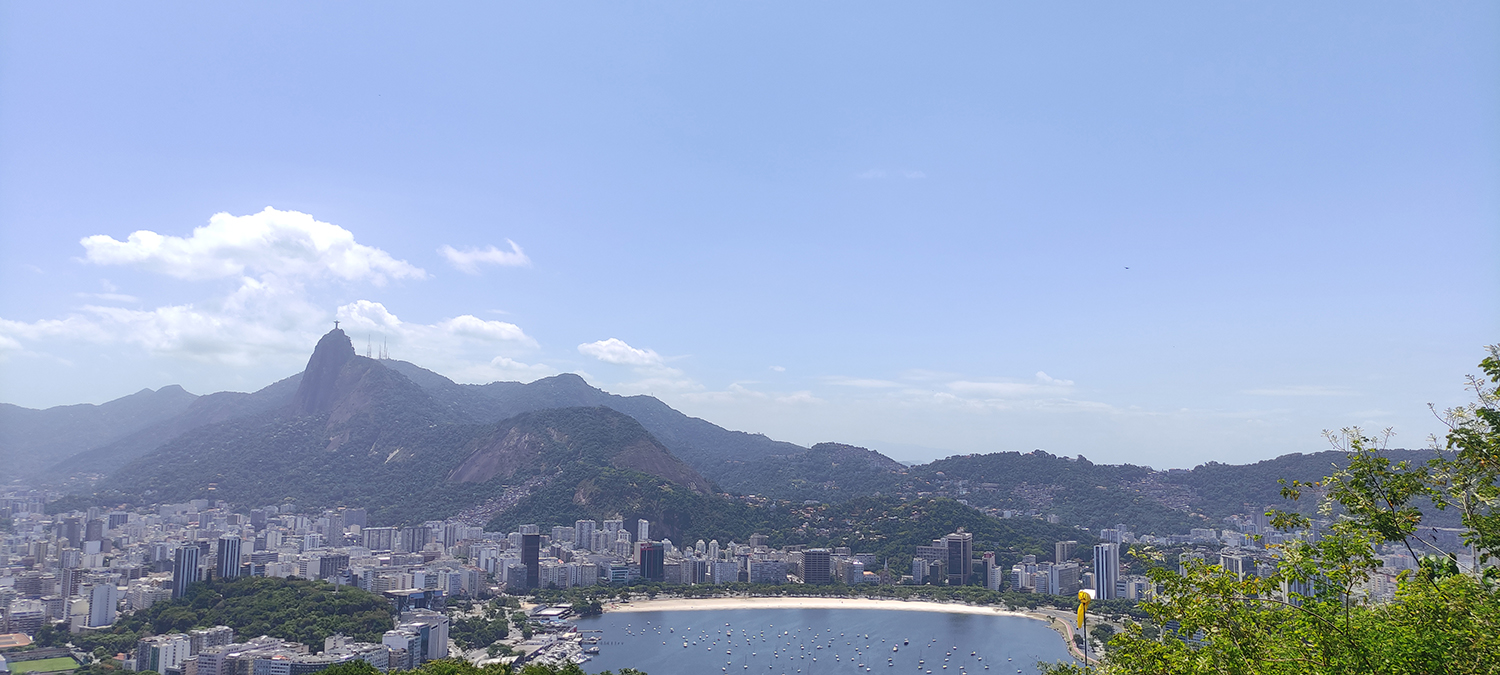
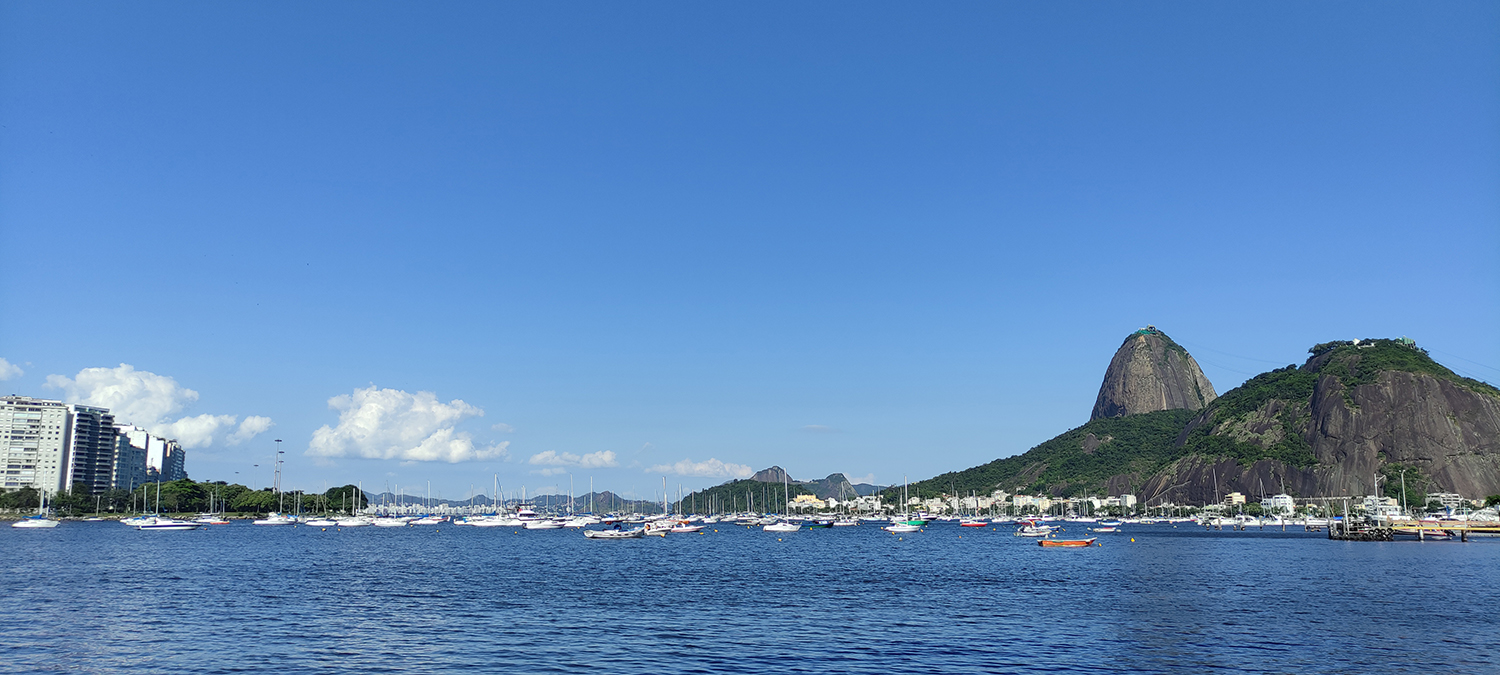
The truth is: there was no river. On the 1st of January, 1502, Gaspar de Lemos sailed into Guanabara Bay, believing it to be a large river. Imagine—one day earlier, and it might have been called the River of December.
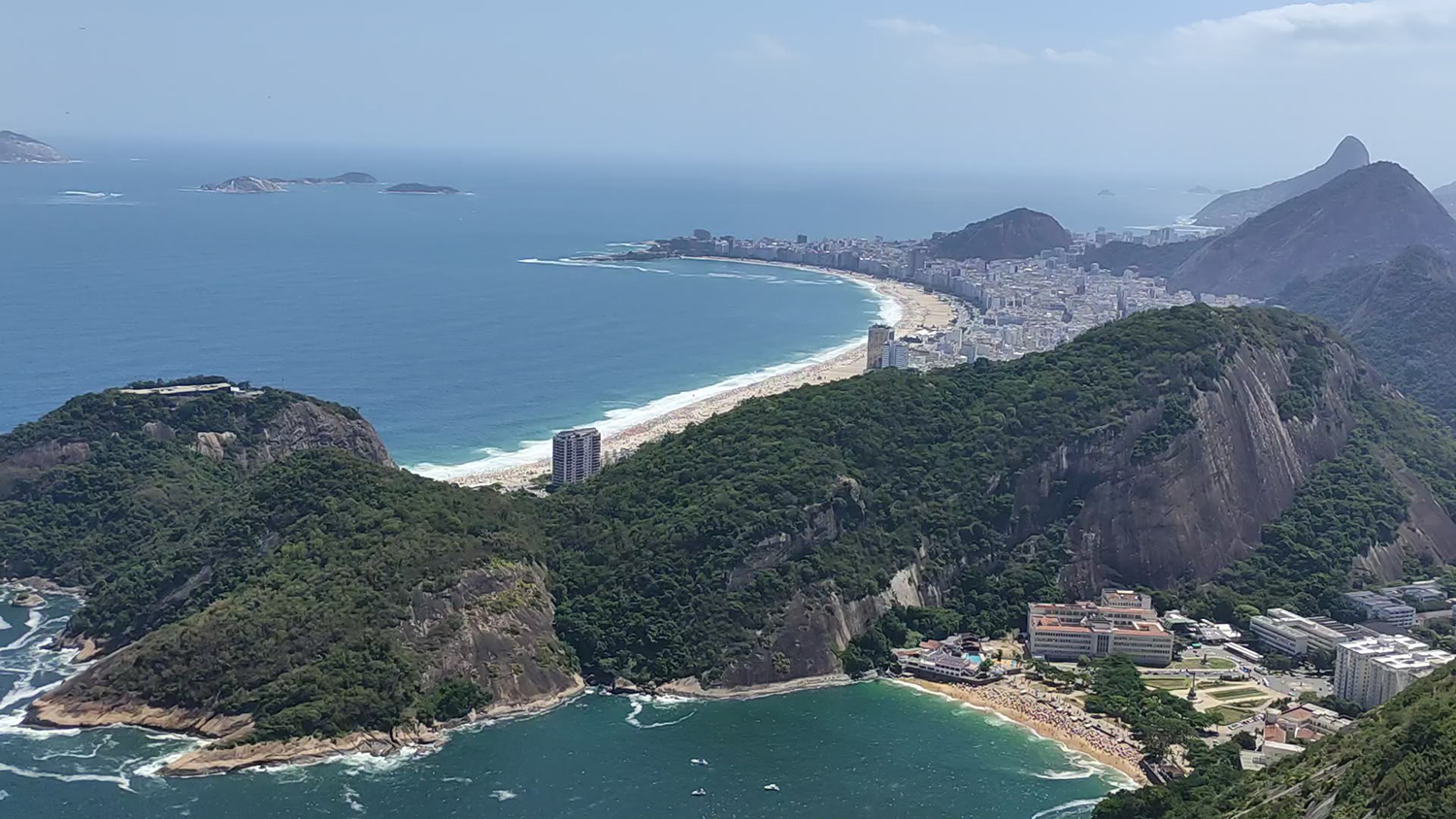
How many of us actually knew what Rio de Janeiro truly meant when we first heard it? And yet—who has not heard it at least once in their life? Who, upon hearing does not imagine samba, Carnival, Christ the Redeemer, Copacabana? Who does not feel something stir—a sudden passion for life?
Rio de Janeiro. A cidade maravilhosa.
Still, Brazil—as Brazilians themselves put it—is not only Rio de Janeiro, nor São Paulo. Brazil has so much more to offer. Stretching from Venezuela down to Uruguay, the country spans some 4,400 km. There must be something more. In fact, as Brazilians joke, in the state of Acre—one of the most secluded, forgotten places—there still live dinosaurs.
But Rio de Janeiro is not a myth, nor just a word. It is not a place to be skipped or left unseen. To visit Brazil and not stop here could almost be called a sin.
Although the city itself is full of sins, too, it seems as if everyone wants to be there—the good or the bad, the poorest as much as the richest.
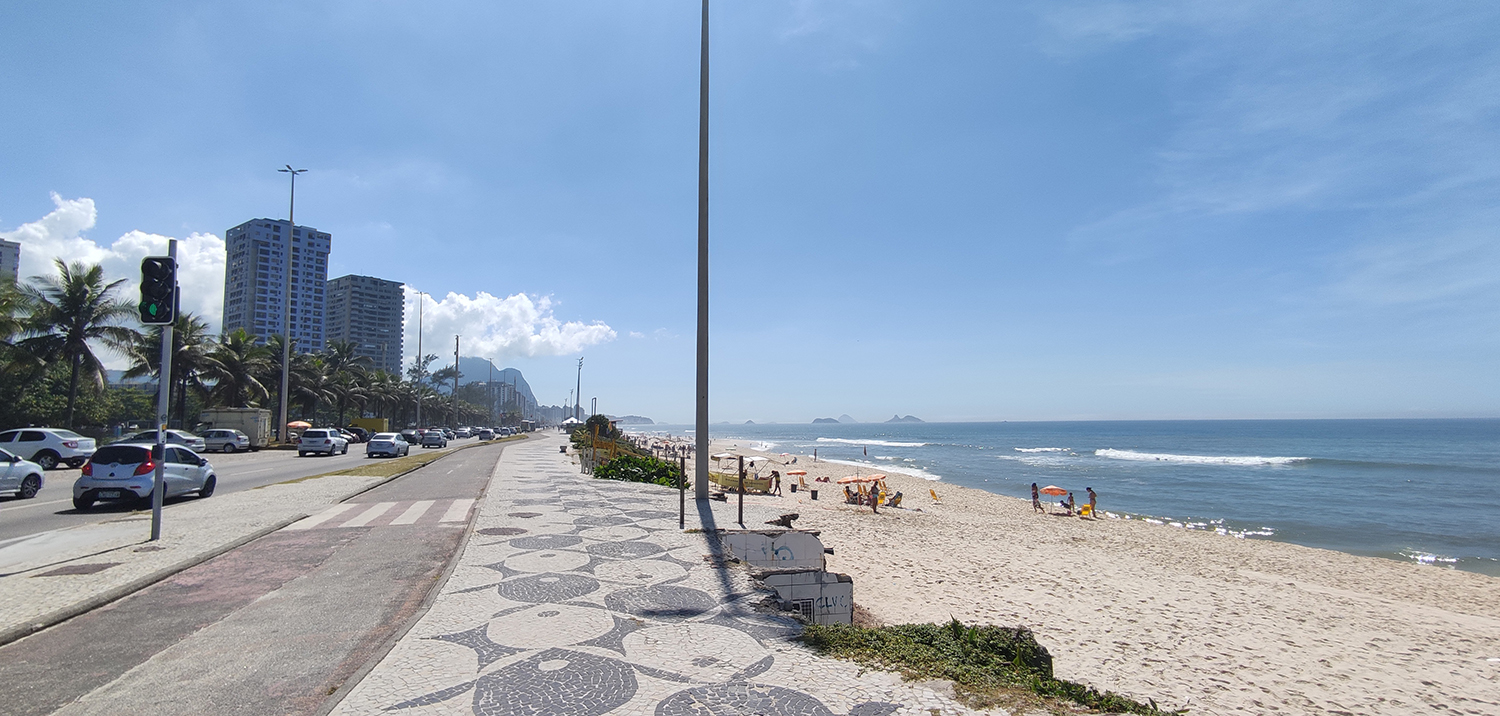
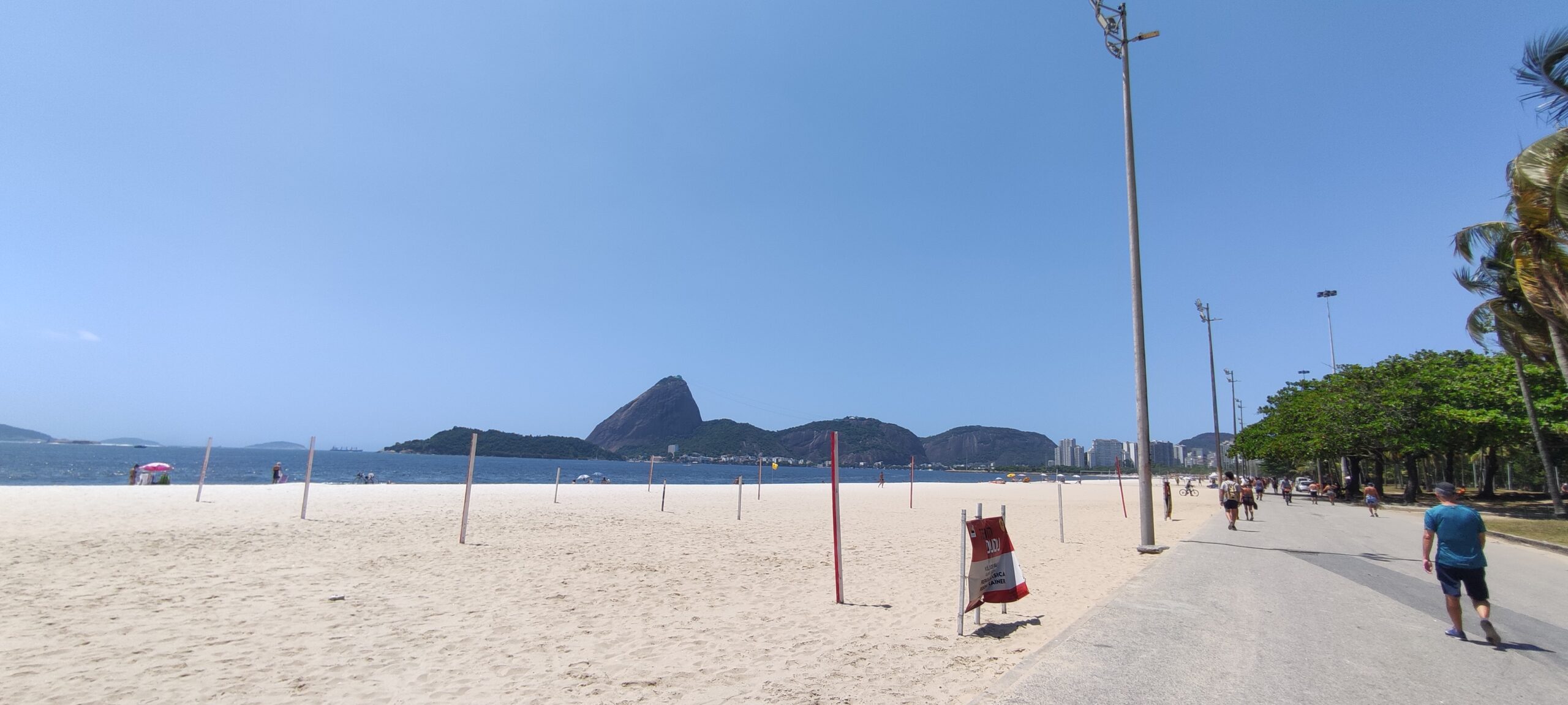
They all hurry to the beach, playing football, volleyball, futevôlei, surfing, or just lying in the sun. Life flows outward here; it doesn’t stay behind closed doors. The beach is a lifestyle. The crowd is an ocean of encounters—family, friends, or strangers, it doesn’t matter.
And how good they look, how they dress, how they present themselves—because appearance matters. Or how, despite violence and chaotic traffic, where every centimeter counts and everyone must be first, they still manage to smile and dance to samba—or that horrible music called funk.
Why?
Because tudo vai dar certo!
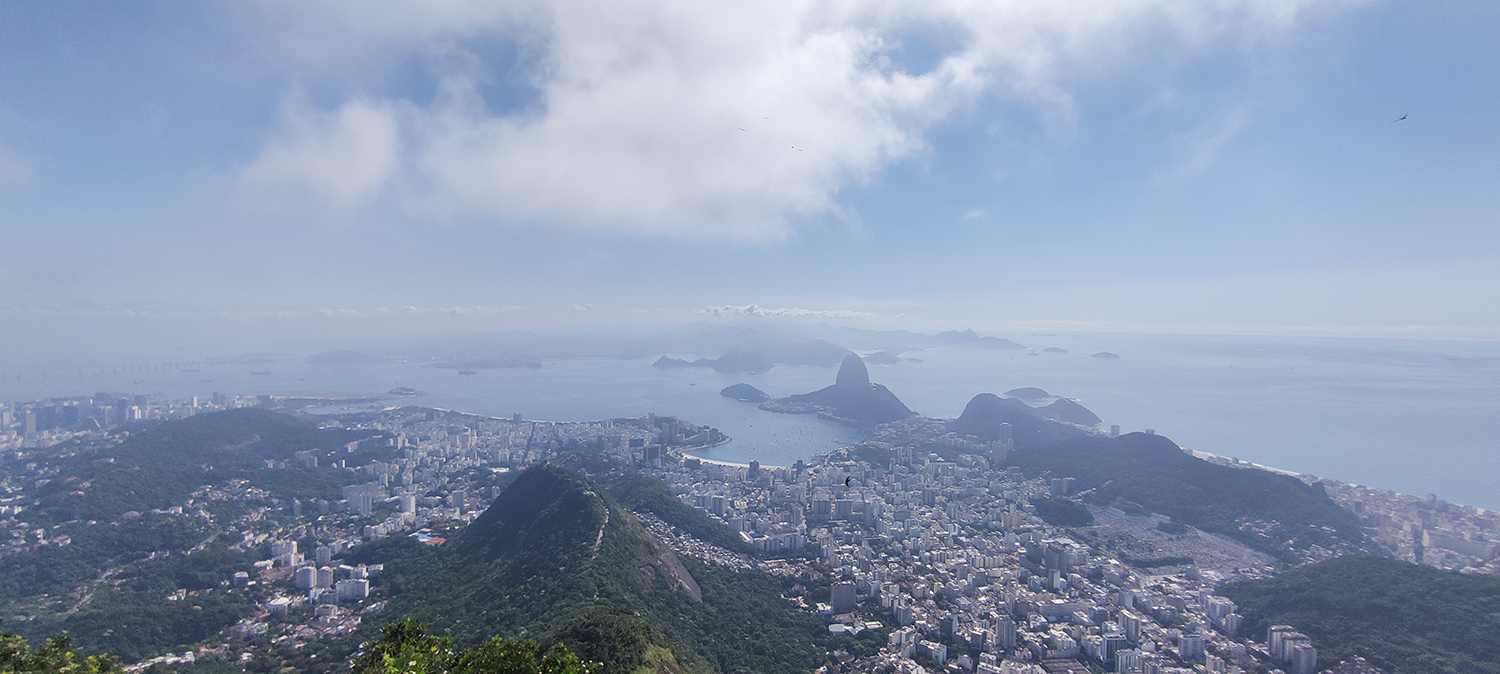
This doesn’t apply only to Cariocas; it applies to every Brazilian. But where else could it be truer than in Rio? Above it all—above all favelas, atop Corcovado—stands the one with his hands outstretched, blessing all citizens alike.
There, at his feet, overlooking the whole city, one can just stare in awe… and silently cry. There cannot be more than that. But you can get married there, if you wish.
Still, Rio can’t be for everyone. It is far from perfect, and often darker than the sunset over Pão de Açúcar. But no matter how bad it ever gets, no matter how much we complain, Rio will always be the River of January—full of life, the kind you start missing the moment you remember.
And yes, Brazil is not only Rio de Janeiro. But Rio de Janeiro—is BRAZIL.