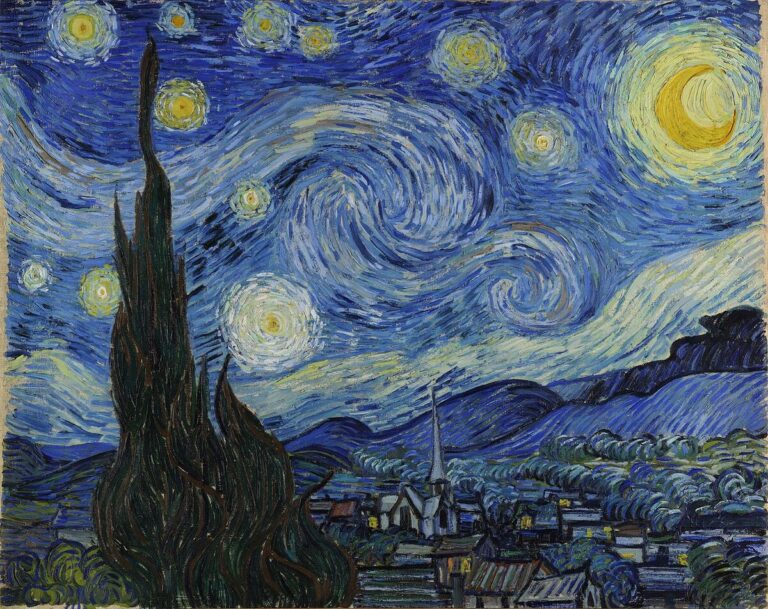
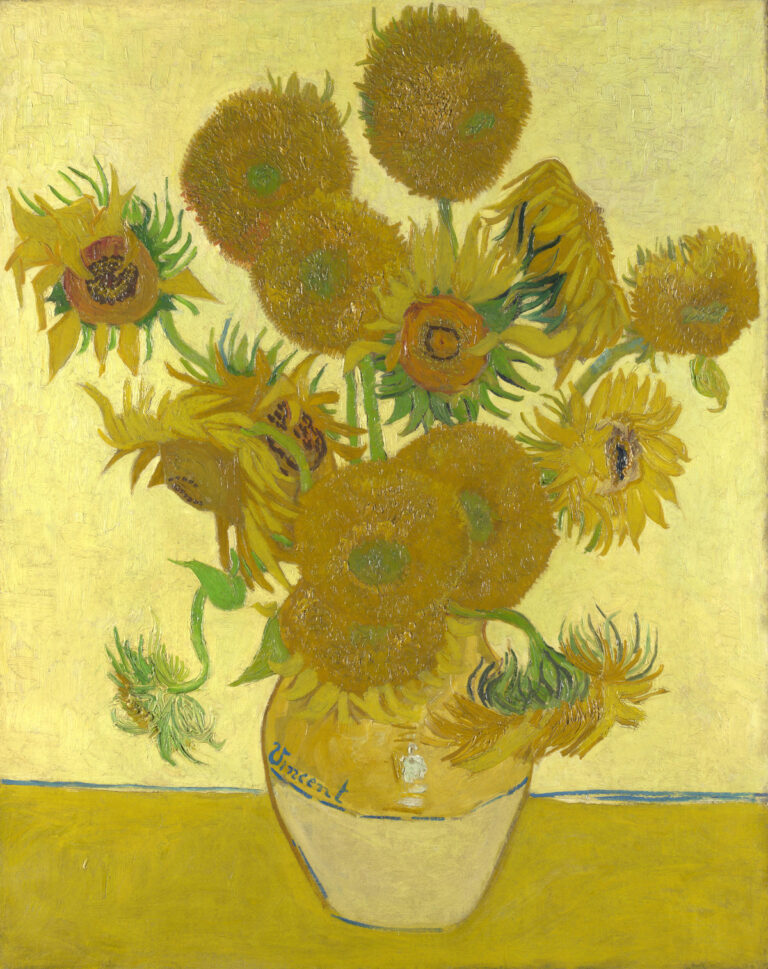
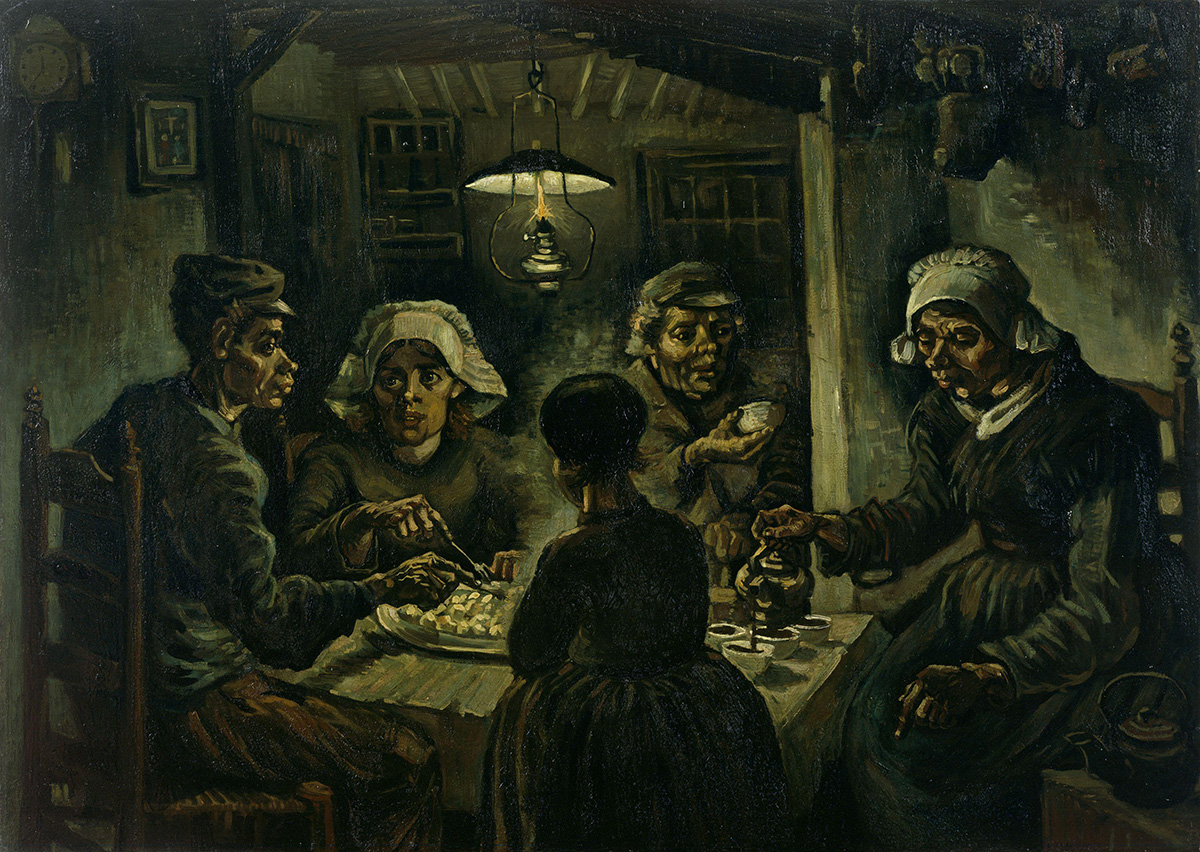
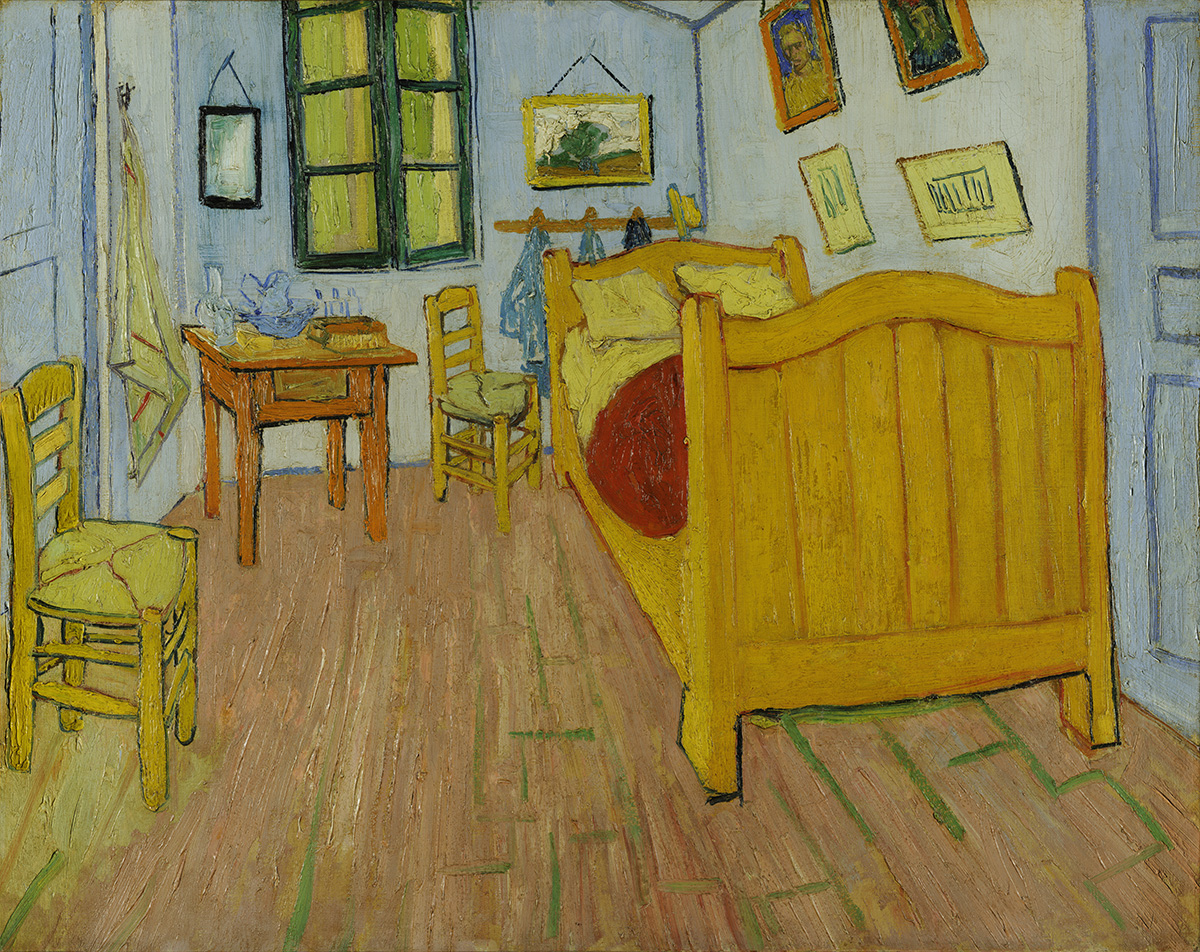
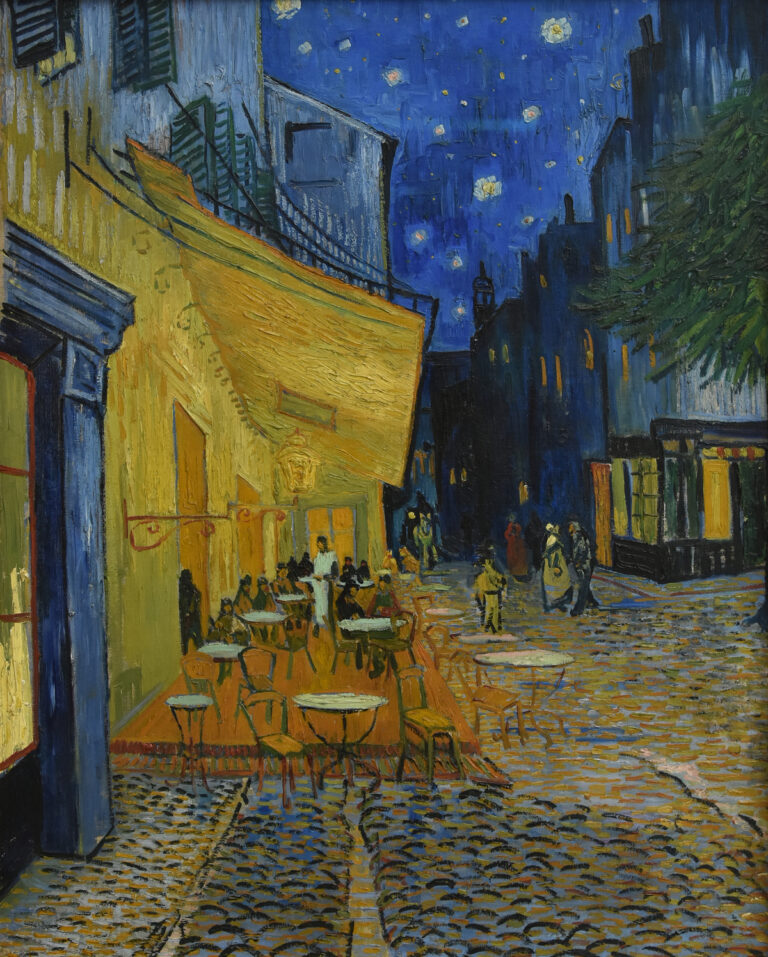
Van Gogh’s paintings are certainly unique, and whether they are beautiful or not depends on who is looking—just as it did then.
The truth is, at the time he was painting, no one really cared about his work. Apart from his brother, who most likely cared more about keeping him alive than about the art itself.
So why so much later?
History would say it simply was not his time. That times were different. People valued smooth brushstrokes, realistic anatomy, biblical or noble themes, surfaces that looked almost like photographs.
Then came a man who did the exact opposite. That always takes time to be accepted, especially when it appears alone.
It is a common phenomenon that what is beautiful in one century may not be in another. And so, many years later, Van Gogh became—and remains—one of the greatest painters to have lived.
But it was not only the paintings that were rediscovered. More than that, it was the story. The life of the author.
The art was created through love and passion on one side, and suffering, self-torture, and something more disturbing on the other. Which side called for more attention, perhaps even more than the work itself?
There was too much curiosity. People wanted to see for themselves whether what they had heard could be found in the paintings. Yet the paintings were secondary.
Suffering, when it is safe and does not belong to the observer, is deeply interesting—almost sensational.
Suffering carries weight. It promises access to truth. It appears more trustworthy than love. And when it is filtered or transformed into art, its value seems to grow immensely.
He who withstands pain is easily admired, whatever he does. To the point where admiration begins to overlook reality, as if suffering were the highest and only measure.
Perhaps it can be—but only as long as it remains personal, within limits, where no one else is harmed.
Time was necessary here. Distance made suffering aesthetic, and therefore safe. Living with a mentally ill person is uncomfortable. A dead, mentally ill artist is fascinating.
What would Van Gogh’s paintings mean if he had not been ill? Society does not seem to ask this.
He cut off his ear, placed it in a box, and gave it to a woman he supposedly liked.
A great artist does not necessarily mean a great human being.
He was not well. He needed help.
And perhaps this, too, is why people admire the paintings—it gives us an excuse for a responsibility we once had.
Van Gogh is not an exception, only a case made safe by time.