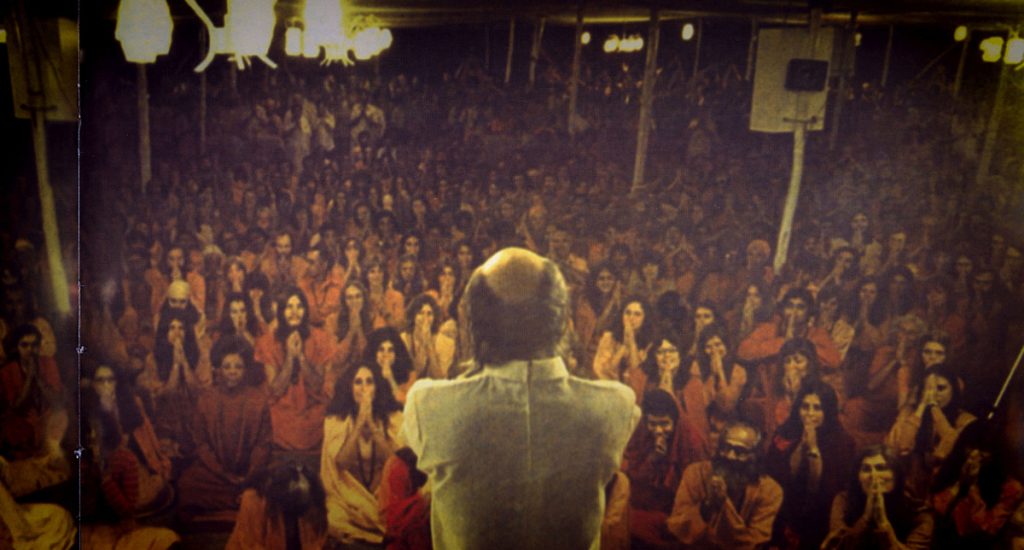
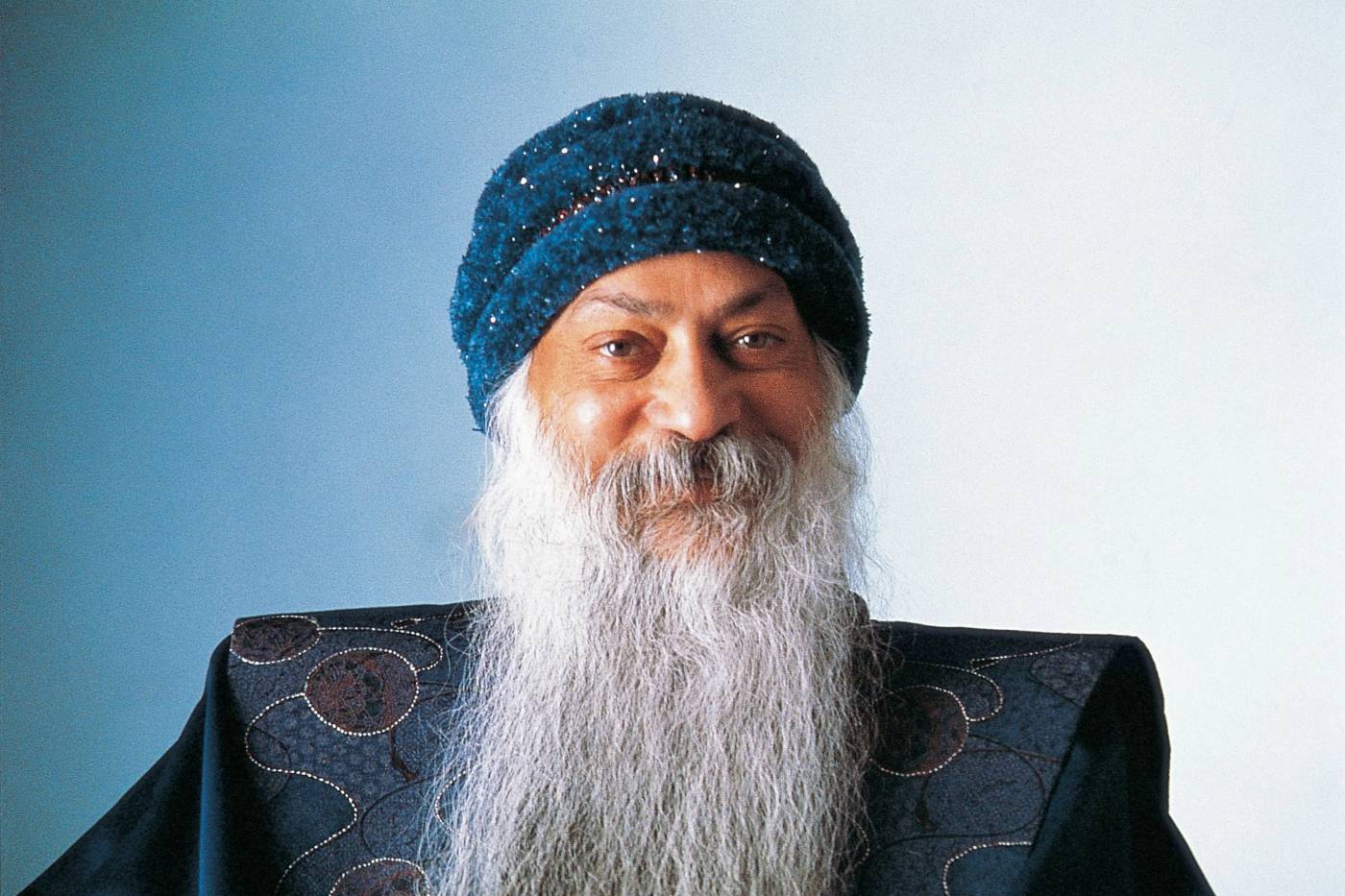
What Osho said was so profound, so revealing, that one cannot simply deny it feels as if it had always been there. We just don’t know how to name it, but it feels true—not individual, but universal.
Even more striking is that none of it was ever written; it was spoken, utterly spontaneous, flowing like a river, blowing like the wind. There is no barrier between thought and word. It is peaceful, freeing.
Many would struggle to even write it down—writers included—let alone speak it aloud before so many listeners.
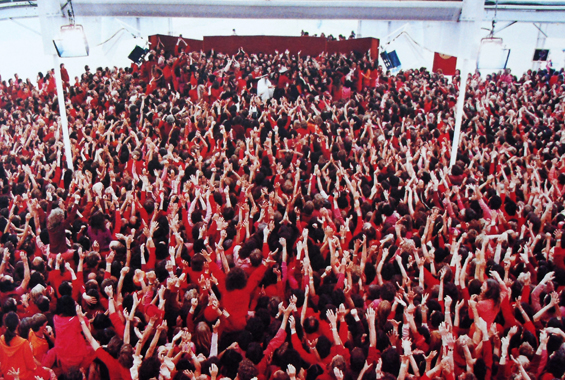
Osho’s every word was surrounded by so much silence. Yet it was so simple, mind-blowingly simple—the most difficult way to speak.
If we had the courage to reveal what is in our heart and compare it with what comes out, processed and suppressed by the mind, we might all be labeled with Multiple Personality Disorder… or worse.
It is precisely the simplicity and directness that tears down thick walls and layers of coating, deposits, and dirt—if you like. Yet we call it intelligence, kindness, good manners, education.
How is it possible that this man and everything he said was met with such negative response in the outer world? Instead of receiving universal praise, he was accused of terrorism, conspiracy, and cult.
Osho wanted to change the world—but in a way that no-one else had ever tried before. That alone was dangerous. And he sought to bring about that change in a world already shaped by people with completely different interests.
The fact that Osho moved to the United States of America could be considered daring in one way, and naive in another. Ultimately, it was perhaps his greatest mistake.
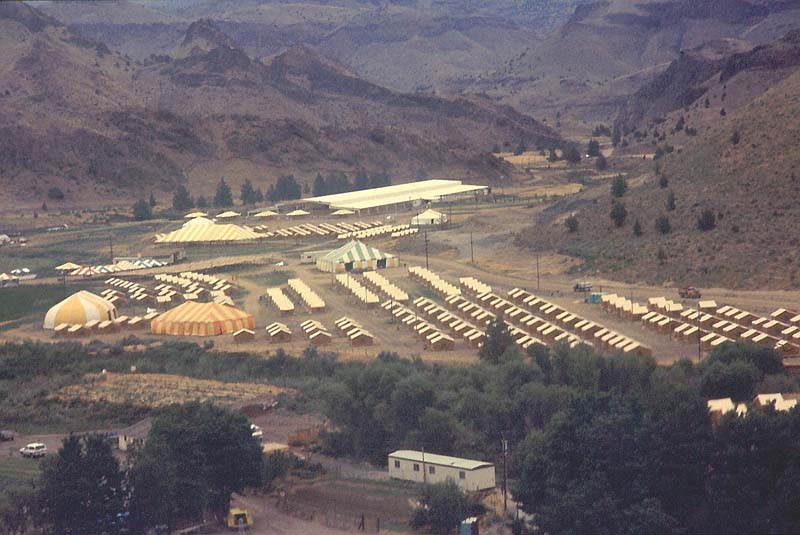
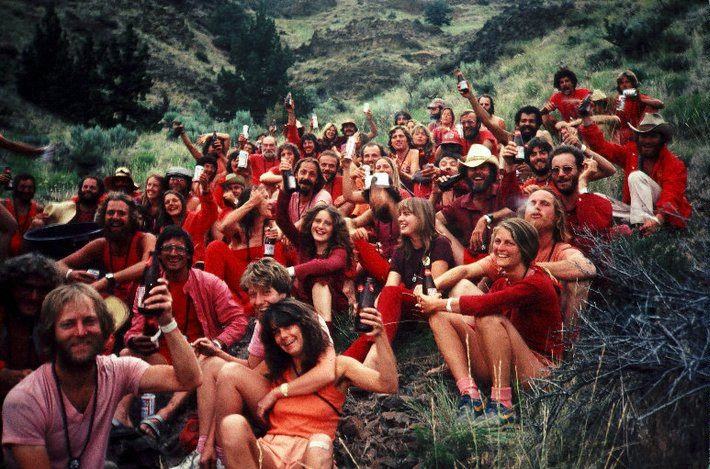
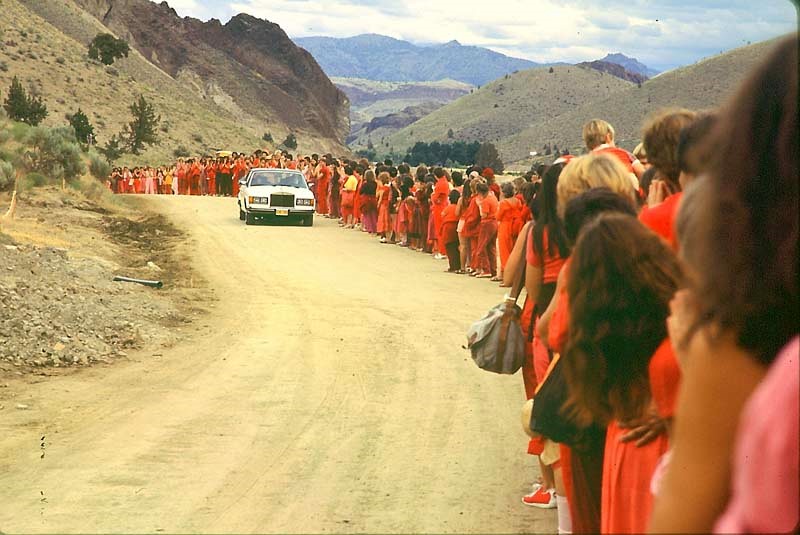
How could a man as wise as Osho not have seen it? He came to a foreign country and established a community of eager orange enthusiasts to build a New World and celebrate freedom in a place where another freedom had already been guaranteed.
For a while it worked—maybe even too well.
No matter how awakened each individual is, a group of people that wants to remain together and organized simply must have a functioning leadership.
Osho didn’t seem to care. He withdrew into silence and meditation, as if he had not even been part of it. He left it all to the people and came merely to talk. But the people, ah, the people…
Not only was the state against them, they were also against each other within the community—not exactly a model for a peaceful world. And talking about love and the higher self is beautiful… until someone is holding a gun.
Osho loved to shock and provoke; he encouraged courage. But perhaps the result of all that was just too much attention, too much friction. Maybe that’s what he wanted: to sacrifice himself like Jesus Christ—though he wasn’t religious.
But for what?
For freedom? For awakening?
Freedom without self-control is a fantasy. Freedom without responsibility brings consequences.
Often, freedom is silence. Not because it’s cowardice, but because it knows what it does.
Freedom need not be promised or spoken of when it already exists.
Let it be spread in its utmost silence. I will pretend indifference.